Brick, concrete and limestone pavers are everywhere in Perth, and for good reason: they're familiar, hard-wearing and easy to repair one at a time. Resin bound is a newer option here. Both have a place. This page sets out the differences honestly so you can choose the right one for your home.
The Short Answer
Choose resin bound if you want a seamless surface with no joints for weeds or ants, water that drains straight through, and a modern stone look. Choose pavers if you want individual units you can lift and relay, a traditional look, or a surface that can be patched one piece at a time.
Side-by-Side Comparison
| Factor | Resin bound | Pavers |
|---|---|---|
| Joints | None, one seamless surface | A joint around every paver |
| Weeds | Nothing for weeds to root in | Weeds can grow in the joints |
| Ants | No sand joints to excavate | Sand joints are a favourite for ants, which push sand up and can loosen pavers |
| Drainage | Permeable, water drains through the surface | Water runs off the surface or into the joints |
| Movement | Relies on a sound, stable base | Individual pavers can sink, rock or lift with roots |
| Repairs | Patch repairs possible but colour matching needs care | Single pavers can be lifted and replaced |
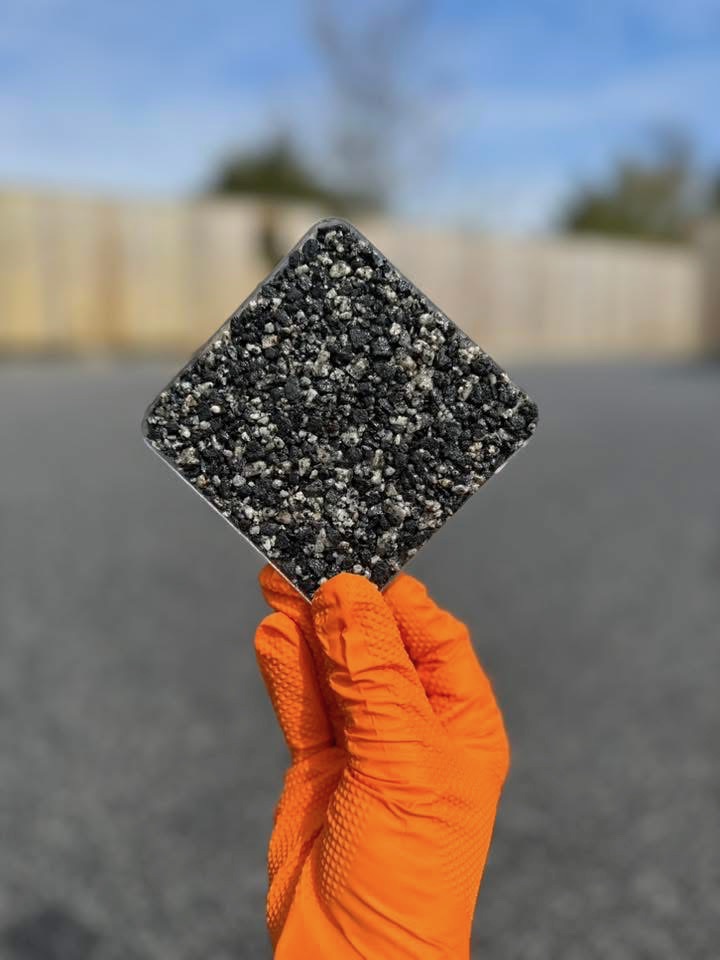
| Look | Smooth, modern, wide choice of stone blends | Traditional, with a wide range of paver styles |
Weeds, Ants and Sand
Ask any Perth homeowner with pavers what they spend weekends on, and you'll hear about weeds in the joints and ants pushing sand up between the bricks. Over time joint sand washes out, pavers loosen and the surface starts to rock. Resin bound has no joints at all, so there's nowhere for weeds to root or ants to dig.
Drainage
Resin bound is permeable, so rain passes through the surface to the base below rather than pooling. Pavers shed most water across the surface toward drains or garden beds, with some soaking through the joints. Either way, the base and falls need to be designed properly for your site.
Movement and Repairs
One of the big advantages of pavers is that a sunken or broken paver can be lifted and relaid. Resin bound is a continuous surface, so it relies on a sound base, and repairs need careful colour matching. That's why preparation matters so much with resin bound: get the base right and it stays right.
Can Resin Bound Go Over Existing Pavers?
Resin bound needs a stable, solid base. Because individual pavers can move, they're not usually an ideal base. Ask us about your surface before ordering. If you have an existing concrete driveway that's sound, an overlay is often possible. See the Vuba Stone overlay system.
Cost
Costs vary with base work, access and finish, so we don't quote general figures on this page. See our resin bound driveway cost guide.
Making the Call
If a seamless, low-maintenance surface is what you're after, browse our blends or see finished work in the showcase. Homeowners can enquire for an install, and tradespeople can train with us.
Frequently Asked Questions
Is resin bound better than pavers?
Neither is better everywhere. Resin bound is seamless and permeable with no joints for weeds or ants. Pavers are traditional, and single units can be lifted and replaced.
Do resin bound driveways get weeds?
Weeds need joints or soil to root in. A properly laid resin bound surface has no joints, so weeds are far less of a problem than with pavers.
Will ants get through resin bound?
Ants in Perth tend to nest under paving and push sand up through the joints. Resin bound has no sand joints for them to work through.
Can I lay resin bound over my pavers?
Pavers can move individually, so they aren't usually an ideal base. Ask us about your surface before ordering.
Which is easier to maintain?
Resin bound needs a sweep and an occasional rinse. Pavers need joint sand topped up, weeds removed and loose pavers relaid from time to time.